Long-Term Investment Success: Building a Resilient Financial Plan
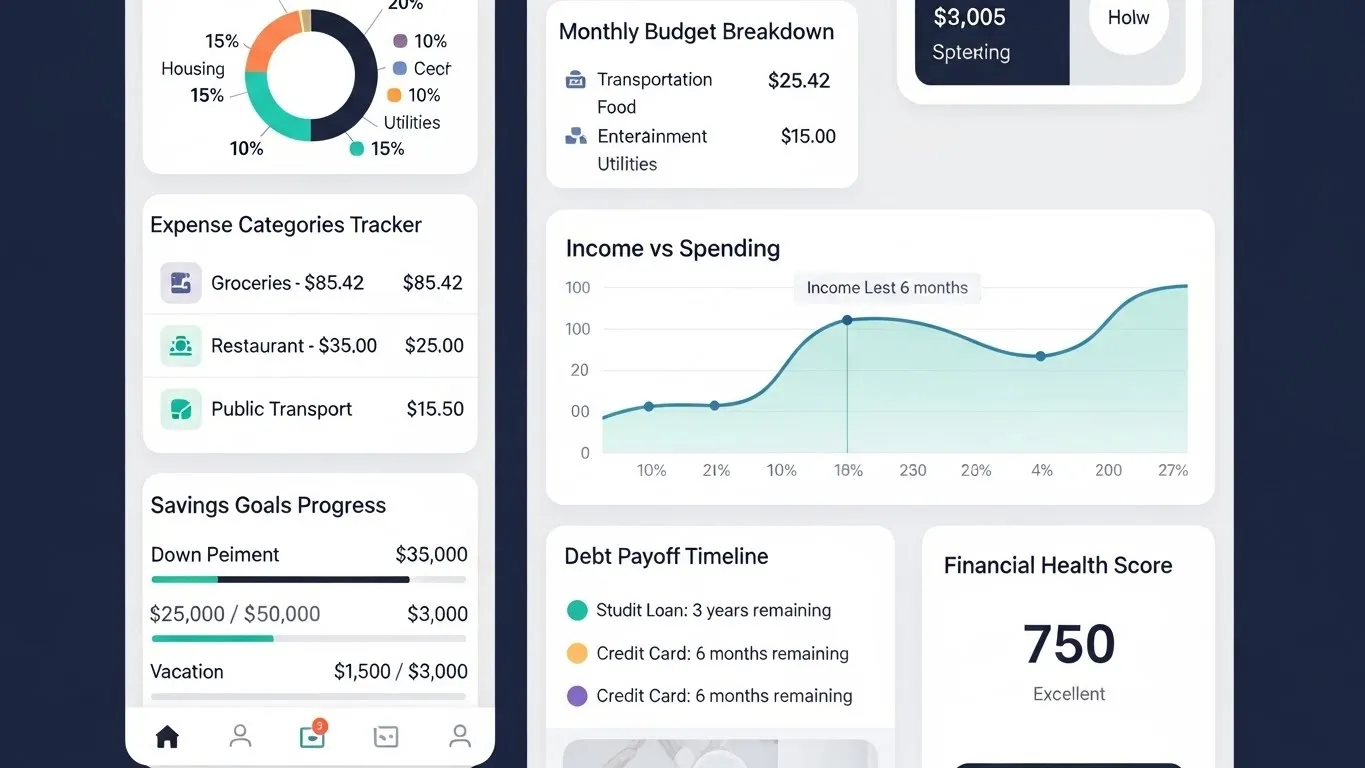
Long-Term Investment Success: Building a Resilient Financial Plan
Achieving long-term investment success requires more than just picking winning assets; it demands a thoughtfully constructed and resilient financial plan. In today's dynamic economic landscape, especially with the emergence of digital assets, understanding how to build a robust strategy is paramount. This article will guide you through the essential components of creating a financial framework that can withstand market fluctuations, adapt to new opportunities, and ultimately help you achieve your long-term wealth goals. We'll explore core principles, strategic asset allocation, and the unique considerations for incorporating cryptocurrencies into a sustainable investment portfolio.
Key Points for Building a Resilient Financial Plan:
- Define Clear Goals: Establish specific, measurable financial objectives.
- Diversify Strategically: Spread investments across various asset classes, including digital assets.
- Manage Risk Proactively: Implement strategies to mitigate potential losses.
- Regularly Rebalance: Adjust your portfolio to maintain desired asset allocation.
- Stay Informed & Adaptable: Keep abreast of market trends and economic shifts.
Understanding the Foundation of Long-Term Investment Success
Building a resilient financial plan begins with a clear understanding of your financial landscape and aspirations. True long-term investment success isn't about getting rich quick, but about consistent, disciplined growth over decades. This involves setting realistic expectations and committing to a strategy that aligns with your personal risk tolerance and time horizon. Many investors overlook the importance of a foundational plan, often chasing short-term gains instead.
Defining Your Financial Goals and Risk Tolerance
Before making any investment decisions, it's crucial to define what you're investing for. Are you saving for retirement, a down payment on a house, or your children's education? Each goal will have a different timeline and require a specific approach. Simultaneously, understanding your risk tolerance is vital. This isn't just about how much money you can afford to lose, but also your psychological comfort with market volatility. A well-defined risk profile ensures your investment choices align with your comfort level, preventing panic selling during downturns. For more insights into personal finance, readers can explore related articles on financial goal setting.
Crafting a Resilient Financial Plan: Core Strategies
A resilient financial plan is one that can weather economic storms and capitalize on growth opportunities. This requires a multi-faceted approach, integrating traditional investment wisdom with modern asset classes like cryptocurrencies.
Strategic Asset Allocation for Sustainable Wealth Growth
Asset allocation is the cornerstone of any robust investment strategy. It involves distributing your investments among different asset categories, such as stocks, bonds, real estate, and increasingly, digital assets. The goal is to create a diversified portfolio that balances risk and return, tailored to your individual goals. A common approach is to use a "core-satellite" strategy, where a stable core of traditional assets is complemented by a satellite of higher-growth, potentially higher-risk assets like cryptocurrencies. This allows for exposure to innovative markets while maintaining overall portfolio stability.
The Role of Digital Assets in a Diversified Portfolio
Cryptocurrencies and other digital assets have emerged as a significant, albeit volatile, asset class. While their price swings can be dramatic, their potential for high returns and their uncorrelated nature to traditional markets can offer unique diversification benefits. According to a 2024 report by a leading financial institution, digital assets are increasingly being recognized for their long-term value proposition, especially as institutional adoption grows. However, integrating them requires careful consideration. It's generally advised to allocate a smaller percentage of your overall portfolio to digital assets, commensurate with your risk tolerance.
- Bitcoin (BTC): Often considered "digital gold," offering a store of value.
- Ethereum (ETH): Powers a vast ecosystem of decentralized applications (dApps) and DeFi.
- Stablecoins: Pegged to fiat currencies, offering stability within the crypto space.
- Emerging Altcoins: Higher risk, higher reward potential, requiring thorough research.
Mitigating Risks and Adapting to Market Dynamics
No investment plan is immune to risk, but a resilient one incorporates strategies to manage and mitigate potential downsides. This is particularly true when dealing with the inherent volatility of digital assets.
Proactive Risk Management in Cryptocurrency Investing
Risk management in crypto investing involves several key practices. Firstly, never invest more than you can afford to lose. Secondly, conduct thorough due diligence on any digital asset before investing. Understand its technology, use case, team, and community. Thirdly, employ stop-loss orders or similar strategies to limit potential losses during sharp market downturns. Finally, consider dollar-cost averaging, investing a fixed amount regularly, which helps smooth out the impact of price volatility over time. This disciplined approach is crucial for building a resilient financial plan in the digital asset space.
Portfolio Rebalancing and Economic Indicators
Regular portfolio rebalancing is essential to maintain your desired asset allocation. Over time, some assets will outperform others, shifting your portfolio's risk profile. Rebalancing involves selling some of your overperforming assets and buying more of your underperforming ones to return to your target percentages. This disciplined approach helps in sustainable wealth growth. Additionally, staying informed about macroeconomic indicators, such as inflation rates, interest rate changes, and global economic forecasts, can help you anticipate market shifts and adjust your strategy accordingly. For example, a rise in inflation might prompt a re-evaluation of your exposure to inflation-hedging assets, including certain digital assets.
Differentiated Insights for Modern Investors
In an increasingly interconnected world, long-term investment success hinges on looking beyond traditional frameworks.
Leveraging Decentralized Finance (DeFi) for Passive Income
One unique aspect of the digital asset space is the opportunity to generate passive income through Decentralized Finance (DeFi). Platforms offer lending, staking, and yield farming protocols that can provide returns significantly higher than traditional savings accounts. For instance, as of early 2025, certain DeFi protocols offered annual percentage yields (APYs) ranging from 5-15% on stablecoins, far surpassing conventional bank rates. However, these opportunities come with smart contract risks and potential impermanent loss, requiring a deep understanding of the underlying mechanisms. This represents a significant differentiator for investors willing to learn and manage these new forms of risk.
The Evolving Landscape of Digital Asset Regulation
The regulatory environment for digital assets is rapidly evolving, with major developments expected in 2025 and 2026. Understanding these shifts is critical for long-term investors. For example, the clarity provided by recent regulatory frameworks in jurisdictions like the EU (MiCA) and ongoing discussions in the US regarding spot Bitcoin ETFs have significantly impacted institutional adoption and market sentiment. Staying informed about these regulatory trends, perhaps by following updates from bodies like the SEC or global financial regulators, allows investors to anticipate future market movements and adjust their digital asset portfolio management strategies proactively.
FAQ Section: Common Questions on Resilient Financial Planning
Q1: How often should I review and adjust my long-term investment plan?
A1: It's advisable to review your long-term investment plan at least once a year, or whenever there are significant life changes (e.g., marriage, new child, job change). This ensures your plan remains aligned with your current financial goals, risk tolerance, and market conditions. Regular reviews are key to maintaining a resilient financial plan.
Q2: Is it too late to start investing in cryptocurrencies for long-term success?
A2: It's generally not "too late" to start investing in cryptocurrencies, but the approach should be strategic. Focus on understanding the technology, market cycles, and your risk tolerance. Start with a small, diversified allocation and commit to a long-term perspective, rather than chasing short-term gains.
Q3: What is the most important factor in building a resilient financial plan?
A3: The most important factor is discipline and consistency. Sticking to your investment strategy, even during volatile periods, and regularly contributing to your investments are far more impactful than trying to time the market or pick every winning asset. A disciplined approach underpins long-term investment success.
Q4: How can I protect my digital assets within my financial plan?
A4: Protecting digital assets involves robust security practices. Use strong, unique passwords, enable two-factor authentication (2FA), and consider hardware wallets for significant holdings. Be wary of phishing scams and only use reputable exchanges and platforms. Education on cybersecurity is paramount for wealth preservation strategies in crypto.
Conclusion: Your Path to Sustainable Wealth Growth
Building a resilient financial plan for long-term investment success is an ongoing journey, not a destination. It requires a blend of strategic planning, disciplined execution, and continuous learning, especially in the rapidly evolving world of digital assets. By defining clear goals, diversifying wisely, managing risks proactively, and staying informed about market and regulatory trends, you can construct a financial framework that not only withstands challenges but also thrives over time.
We encourage you to take the first step today by assessing your current financial situation and outlining your long-term aspirations. Share your thoughts in the comments below, or subscribe to our newsletter for more expert insights on cryptocurrency and digital asset investing. For deeper dives into specific investment strategies, explore our articles on advanced portfolio diversification techniques or the future of decentralized finance.
Structured Data Type Suggestions:
- Article
- FAQPage
- HowTo (for sections on building the plan)
Timeliness and Scalability: This article was published on 2026-03-01. The information, particularly regarding digital asset trends and regulatory environments, is subject to rapid change. We recommend reviewing and potentially updating content related to market data, specific DeFi yields, and regulatory developments every 6-12 months to ensure continued accuracy and relevance.
Expandable Related Subtopics for Future Updates:
- Advanced Tax Implications of Digital Asset Investing
- Integrating NFTs and Metaverse Assets into a Long-Term Portfolio
- The Impact of Central Bank Digital Currencies (CBDCs) on Investment Strategies